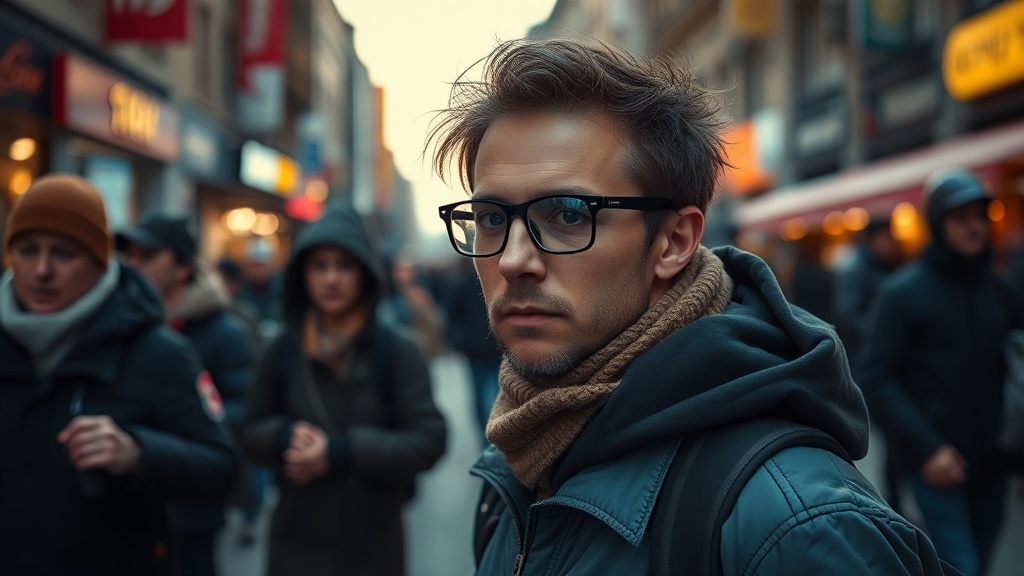
How to Approach Strangers for Street Portraits Without the Awkwardness

You'll learn a straightforward method for approaching strangers to photograph—techniques that replace anxiety with confidence and rejection with genuine connection. Street portraiture remains one of photography's most rewarding yet intimidating disciplines. The fear of intrusion holds back countless photographers from capturing compelling human stories. This guide breaks down the psychology of street approaches, practical scripts you can adapt, and body language cues that signal respect before you even speak.
Why Do Most Photographers Quit Street Portraiture After One Attempt?
The first rejection stings—and many photographers internalize it as personal failure rather than what it actually is: a mismatch of timing, context, or approach. I've watched talented shooters abandon street work entirely because one person said no aggressively. That's giving one stranger way too much power over your creative practice.
The reality? Rejection rates drop dramatically when you understand what's actually happening in those sidewalk moments. Most people aren't offended by being asked—they're startled, busy, or having a terrible day. Your job isn't to convince everyone. Your job is to identify the right subjects in receptive moments, then make your request with clarity and respect.
Here's what changes everything: you're not "taking" a photograph—you're offering one. This mental reframe shifts your energy from apologetic to generous. People sense that distinction immediately. When you approach someone believing you're giving them something (a moment of attention, a potential keepsake, acknowledgment of their interesting presence), your body language changes. You stand straighter. You make appropriate eye contact. You stop mumbling.
What's the Best Way to Approach Someone Without Making Them Uncomfortable?
Distance and angle matter more than most photographers realize. Never approach from behind—that triggers protective instincts. Never from directly in front at close range—that feels confrontational. The optimal approach comes from a 45-degree angle with approximately eight to ten feet of initial distance, closing only after you've established eye contact and received a neutral or positive facial response.
Your opening line should identify you immediately as a photographer, not a threat or salesperson. "Excuse me—I hope I'm not interrupting. I'm working on a photography project about interesting people in this neighborhood." Pause here. Let them process. If they maintain eye contact or nod slightly, continue: "I love your [specific detail—jacket, expression, the way you're reading that book]. Would you mind if I made a portrait of you?"
Notice what's absent: apologies for existing, excessive explanations, or immediate camera-shoving. The specific compliment serves multiple purposes—it proves you've actually noticed them (not just casting randomly for any human subject), it validates their choices, and it gives them context for why they specifically matter to your work.
Some photographers prefer the "shoot first, ask after" approach—and legally, in public spaces, you often can. But for genuine portraiture rather than candid street photography, prior permission yields better results. Your subject relaxes into collaboration instead of performing surprise or defensiveness. The image quality improves dramatically when there's trust.
Reading the Room: Environmental Context
Timing your approach around external pressures separates successful street portraitists from frustrated ones. Someone rushing to catch a bus won't become your best subject—they're cognitively occupied and physically unavailable. Someone waiting for coffee, sitting on a park bench, or browsing a bookstore? They've already signaled availability through body language.
Weather affects receptiveness too. People caught in sudden rain often share a conspiratorial mood with fellow humans. Golden hour photographers lounging for light create natural conversation openings. Holiday crowds generate improved emotions—both positive and negative—that require careful reading.
How Do You Handle Rejection Gracefully?
Rejection isn't negotiation—it's information. When someone declines, your response should acknowledge their boundary and exit cleanly: "Of course, no problem at all. Have a great day." That's it. No persuasion, no visible disappointment, no lingering. Your respectful exit actually improves conditions for the next photographer who approaches them—and maintains your emotional momentum.
Here's a practical truth: rejection often has nothing to do with you. The person might have just received terrible news. They might have religious or cultural objections to photography. They might be in witness protection (it happens). Detaching your ego from their response preserves your energy for the next approach.
Track your actual rejection rate objectively—I use a simple note in my phone. After one hundred approaches, you'll have data instead of anxiety. Most street portraitists find their acceptance rate lands between 60-75% when using proper technique. That's significantly better than the "everyone hates this" narrative photographers tell themselves.
The "Quick No" vs. The "Hesitant Maybe"
Learn to distinguish between firm rejection and uncertainty. A quick "no thanks" with broken eye contact means stop. But hesitation—"I don't know, I'm not really..."—often indicates shyness rather than refusal. This is where your response matters. "It'll take thirty seconds, and I'll show you the back of camera immediately. If you hate it, I'll delete it right here." This safety net converts many hesitant maybes into rewarding sessions.
What Equipment Signals Professional Intent Without Intimidation?
Your gear choices affect approachability. Massive telephoto lenses read as surveillance or paparazzi work—intimidating and impersonal. Compact mirrorless cameras with moderate prime lenses (35mm or 50mm equivalents) strike the right balance: serious enough to suggest competence, small enough to feel casual. The Fujifilm X-E series and similar rangefinder-style bodies became street photography staples partly because they don't scream "professional intimidation."
Consider your camera strap, too. Brightly branded straps advertise expensive equipment—sometimes inviting theft, other times suggesting commercial work that complicates permissions. Simple, unbranded leather or fabric straps reduce visual noise. More importantly, they keep your hands free for gesturing—an underrated communication tool when approaching strangers.
Always carry business cards or have your Instagram handle ready. Offering a way to see (and potentially receive) their image addresses the most common post-rejection concern: "What happens to this photo?" The American Photo guide to model releases offers excellent templates for situations where you might use images commercially.
The Immediate Review Technique
Showing the back-of-camera image immediately accomplishes several objectives. It proves you're not doing something creepy with their likeness. It gives them agency—they can request deletion if they hate their expression. And it often generates genuine smiles when they see themselves looking good, which creates opportunities for "one more?" follow-up shots with improved expression.
Practice handling your camera's playback quickly. Fumbling through menus while someone waits awkwardly destroys rapport. You should be able to show the image within five seconds of capture, zoom in to confirm sharp focus, and offer deletion if requested—all without breaking conversational flow.
Street portraiture rewards persistence. Each successful interaction builds neural pathways that make the next approach easier. Start with easier targets—fellow photographers, people wearing something visually interesting, individuals who make eye contact first. Work toward more challenging situations as your confidence compounds. The discomfort never fully disappears (that's normal), but your relationship with it changes. What felt impossible becomes merely inconvenient—and eventually, genuinely enjoyable.
The best street portraitists aren't fearless. They've just photographed through the fear enough times that it stopped being the deciding factor. Your next subject is already out there, waiting to be seen. The only question is whether you'll walk over and say hello.
FAQ
Do I need a model release for street portraits?
For editorial and artistic use, typically no—but commercial use (advertising, stock photography) requires signed releases. When in doubt, get the release; it preserves future options for your work.
What if someone asks me to delete their photo?
Delete it immediately and without argument. Building trust in the photography community matters more than any single image. Your respectful response might even change their mind—I've had subjects rescind deletion requests after witnessing professional courtesy.
How do I photograph in countries with different cultural attitudes toward photography?
Research local norms before traveling. Some cultures have strong religious objections to being photographed, while others view it as flattering attention. The Lonely Planet Thorn Tree forums offer crowdsourced insights into specific regional considerations.