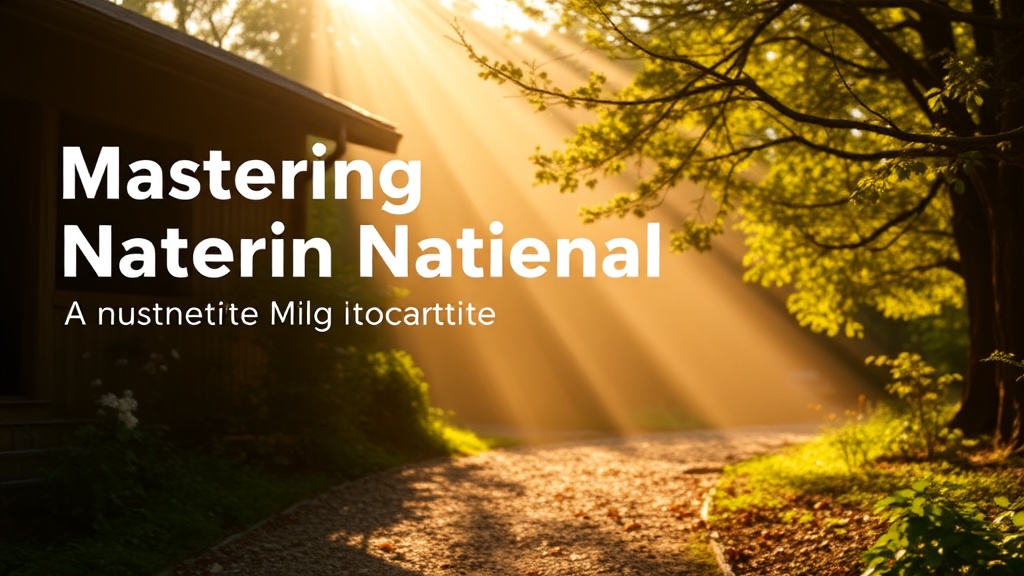
Mastering Natural Light: A Complete Guide for Photography Beginners

This guide breaks down exactly how to work with natural light for better photos—covering golden hour shooting, window light techniques, cloud cover advantages, and simple tools that transform harsh midday sun into flattering illumination. Whether shooting with a smartphone or a full-frame DSLR, understanding light transforms snapshots into photographs worth keeping.
What's the Best Time of Day for Natural Light Photography?
The best times are early morning and late afternoon—commonly called the "golden hours." Light travels through more atmosphere during these periods, scattering blue wavelengths and leaving warm, golden tones that flatter skin and add dimension to landscapes.
Here's the thing: golden hour isn't just one hour. It varies by location and season. In summer, the window stretches longer. In winter, it's brief—sometimes just 30 minutes. Apps like Time and Date or Sun Surveyor calculate exact times for any location.
The light changes fast during these periods. One moment it's soft and golden, the next it's gone. Arrive early. Scout locations beforehand. Have gear ready.
That said, don't pack up immediately after sunset. Blue hour—the 20-40 minutes following sunset—offers deep, cool tones perfect for cityscapes and moody portraits. The sky becomes one giant softbox, wrapping subjects in even, shadowless light.
Worth noting: overcast days have their own schedule. Clouds diffuse sunlight all day long, creating giant natural softboxes. Portraits shot on cloudy afternoons often look better than harsh midday sun shots—no squinting, no raccoon eyes, no blown highlights on foreheads.
How Do You Shoot in Harsh Midday Sun?
Find shade, use diffusers, or embrace the drama with careful positioning. Midday sun creates hard shadows and high contrast, but it's not unusable—just challenging.
Open shade is the photographer's best friend at noon. Position subjects under trees, building awnings, or doorways—anywhere direct sunlight doesn't hit. The key is ensuring the shaded area opens toward a brighter area (like the sky or sunlit ground) so light still reaches the subject's face.
When shade isn't available, create it. A 5-in-1 reflector (brands like Lastolite and Neewer make affordable options around $25-40) includes a translucent diffusion panel. Have an assistant hold it between the sun and subject, and harsh light becomes soft and manageable.
The catch? Sometimes you want that harsh look. Fashion editorial photographers often shoot midday specifically for the drama. Position subjects with the sun behind them for rim lighting, then expose for the shadows or use fill flash. The result: glowing hair, defined jawlines, and a high-fashion aesthetic.
For landscape photographers, midday is actually ideal for certain scenes. Waterfalls look best with even overhead light—no distracting shadows across the cascade. Forest interiors need that overhead penetration to illuminate the canopy. Desert photography often embraces the stark contrast, emphasizing texture and form.
What Window Light Techniques Work Best for Indoor Portraits?
North-facing windows (in the Northern Hemisphere) provide the most consistent, flattering light throughout the day. South-facing windows work too—just diffuse them with sheer curtains during peak hours.
Distance from the window matters enormously. Six feet back, and the light becomes softer but dimmer. Right against the glass, and it's brighter but harder. Most portrait photographers find the sweet spot between 3-5 feet—soft enough to flatter, bright enough for comfortable shutter speeds.
Here's a simple setup that works in almost any room:
- Position the subject at a 45-degree angle to the window
- Place a white foam board or reflector on the shadow side to fill
- Use a dark cloth or negative fill on the opposite side for drama
- Shoot from the shadow side of the face for dimension
That said, don't ignore artificial augmentation entirely. A simple speedlight bounced off the ceiling behind the camera can add catchlights to eyes and lift shadows without looking "flashed." The Godox TT600 ($65) or Yongnuo YN560 IV ($70) are budget-friendly options that integrate well with natural window setups.
Worth noting: window light changes character throughout the day. Morning east-facing windows give warm, directional light. West-facing windows in late afternoon do the same. Overcast days turn any window into a massive softbox—perfect for product photography, food shots, and delicate portraits.
How Does Cloud Cover Affect Photo Quality?
Clouds act as nature's diffuser, spreading light evenly and eliminating harsh shadows. Overcast skies are ideal for portraits, macro work, and any situation requiring soft, wraparound illumination.
But not all cloud cover is equal. Thin, high clouds (cirrus) barely diffuse light—they just reduce intensity slightly. Thick storm clouds create dramatic, moody light but may require higher ISO settings. The best conditions? Bright overcast—those white-sky days where shadows are soft but still defined enough to give shape.
Here's the thing about cloudy days: colors pop. Saturated greens in forests, deep blues in clothing, rich earth tones—cloud cover eliminates the color-washing effect of direct sun. Fall foliage photography often looks better under overcast skies than in direct sunlight.
The catch? Flat light can look... flat. Without shadows, subjects lose dimension. Solutions include:
- Adding artificial directionality with off-camera flash
- Positioning subjects near reflective surfaces (white walls, water)
- Shooting black and white to emphasize texture over color
- Using lens hoods to prevent flare from bright gray skies
Natural Light Gear: What Actually Helps?
You don't need much. Here's what professionals actually pack for natural light shoots:
| Item | Purpose | Budget Option | Pro Option |
|---|---|---|---|
| 5-in-1 Reflector | Fill shadows, diffuse harsh sun | Neewer 43" ($15) | Lastolite TriGrip ($85) |
| Foldable Diffuser | Soften direct sunlight | Westcott 6'x6' ($120) | California Sunbounce ($300+) |
| White Foam Board | Bounce fill, cheap and effective | Dollar store ($2) | V-Flat World ($80) |
| Lens Hood | Prevent flare, protect glass | Generic rubber ($10) | OEM branded ($40-60) |
| Portable Shade | Create open shade anywhere | DIY PVC frame ($30) | Profoto Umbrella ($150) |
That said, gear matters less than observation. The most valuable tool is simply paying attention. Notice how light falls on faces during morning coffee. Watch how window light shifts across the living room throughout the day. This awareness—more than any reflector—improves photography.
Reading Light: The Skill Nobody Talks About
Great natural light photographers develop an almost unconscious ability to "read" light quality instantly. They spot dappled shade under a tree and know exactly where to position a subject. They see a white building across the street and recognize it as a massive reflector.
This skill develops through deliberate practice. Before pressing the shutter, pause. Ask: Where is the light coming from? How hard or soft is it? What's the color temperature? (Overcast shade is blue—warmer than you think. Golden hour is orange—cooler than you expect.)
Shadows tell the story. Hard, defined shadows mean directional light. Soft, edgeless shadows mean diffused light. The direction of shadows reveals where to position subjects for the most flattering results.
Worth noting: digital sensors handle different lighting differently than film did. Modern cameras retain incredible shadow detail but blow highlights quickly. When in doubt, expose for the brightest part of the scene—recovering shadows in post-processing is easier than reconstructing blown highlights.
Here's the thing about natural light photography: it's not about waiting for perfect conditions. It's about recognizing what each lighting situation offers and adapting technique accordingly. Harsh midday sun creates drama. Golden hour creates warmth. Overcast skies create saturation. Window light creates intimacy.
Each type of light tells a different story. The photographer's job isn't to force one lighting scenario into another—it's to match the light to the subject and the mood. A gritty street portrait thrives in hard noon light. A delicate maternity session needs soft window illumination. A dramatic landscape demands golden hour drama.
Start by mastering one scenario. Shoot ten portraits in open shade. Photograph five landscapes during blue hour. Create a dozen still lifes using only north-facing window light. Repetition builds recognition. Recognition builds intuition.
The best photographers don't fight the light—they dance with it.
For deeper technical understanding of color temperature and white balance, Cambridge in Colour offers excellent tutorials. The National Geographic Photography archives demonstrate masterful natural light work across every conceivable condition.