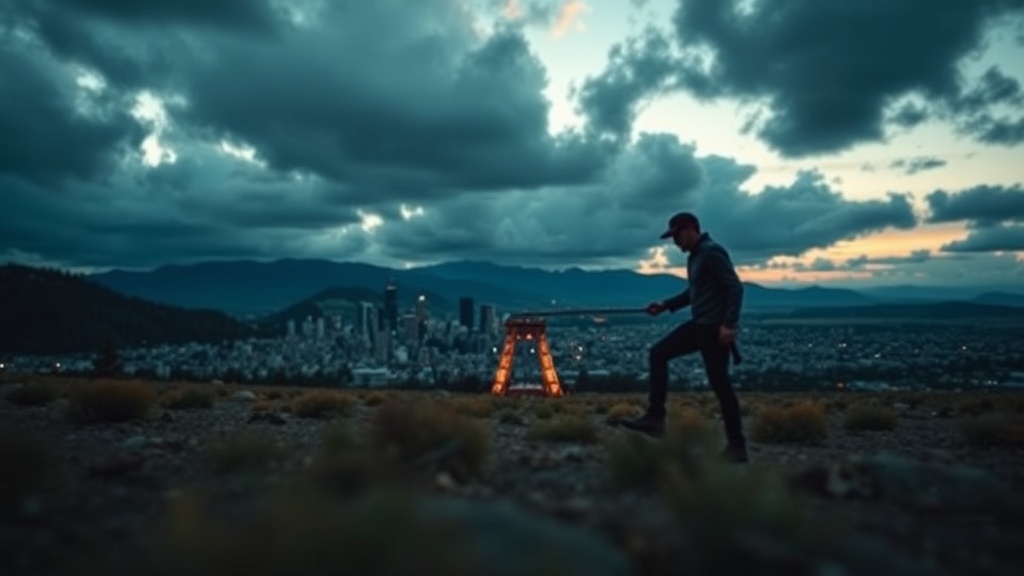
Mastering the Rule of Thirds: Composition Techniques for Stunning Photos

The rule of thirds transforms ordinary snapshots into visually compelling photographs. This guide breaks down exactly how this composition technique works, when to use it, and how to bend the rules for creative effect. Whether you're shooting with a Canon EOS R5 or an iPhone 15 Pro, understanding this fundamental principle will immediately improve the visual impact of your images.
What Is the Rule of Thirds in Photography?
The rule of thirds divides your frame into nine equal sections using two equally spaced horizontal and vertical lines. Place key elements along these lines or at their intersections—called "power points"—rather than centering everything. This creates tension, energy, and visual interest that centered compositions often lack.
Most cameras and smartphones can display this grid overlay in the viewfinder or on the LCD screen. On a Nikon Z8, press the DISP button to cycle through display modes until the grid appears. iPhone users can enable the grid in Settings > Camera > Grid. This overlay becomes your guide—not a rigid constraint, but a starting point for stronger compositions.
The concept dates back to 1797 when John Thomas Smith coined the term, though artists had used similar principles for centuries. Painters like Johannes Vermeer employed off-center placement to draw viewers into their work. Photography inherited this wisdom, adapting it to the rectangular frame.
How Does the Rule of Thirds Improve Photo Composition?
Off-center placement aligns with how human eyes naturally scan an image. Studies from the Nielsen Norman Group show that viewers rarely look at the center of images first—they scan in predictable patterns. The rule of thirds uses this behavior, positioning subjects where eyes naturally land.
Here's the thing: centered subjects feel static. A portrait with the subject smack in the middle can resemble a driver's license photo. Move that same subject to the left third of the frame, and suddenly there's room for context, story, and movement. The empty space—called negative space—becomes as important as the subject itself.
space photographers swear by this technique. Placing the horizon on the top third line emphasizes foreground textures (think wildflowers, rocks, leading lines). Placing it on the bottom third highlights dramatic skies. That said, a dead-center horizon often splits the image in half, creating confusion about what matters more—earth or sky.
When Should You Break the Rule of Thirds?
Symmetry demands centering. Reflections in still water, architectural shots of the Taj Mahal, or faces shot straight-on often work better with the subject dead center. The pattern itself becomes the interest, not the placement within the frame.
The catch? You need to know the rule before you break it effectively. Beginners often center everything by default. Intentional centering—knowing why you're doing it—creates entirely different results than accidental centering born from habit.
Creative framing sometimes calls for extreme edge placement. A subject positioned at the very edge of the frame creates discomfort, tension, or mystery. Street photographers like Daido Moriyama built entire careers on unconventional framing that breaks every compositional rule—and works brilliantly because of it.
Common Rule of Thirds Applications
| Subject Type | Placement | Effect |
|---|---|---|
| Portraits (single subject) | Eye line on top horizontal line | Natural, engaging connection |
| Landscapes with sky drama | Horizon on bottom third | Emphasizes clouds, weather |
| Landscapes with foreground interest | Horizon on top third | Highlights textures, depth |
| Moving subjects | Subject on leading side, space to move into | Suggests motion, destination |
| Architecture | Vertical lines on grid lines | Clean, balanced structure |
How Do You Apply the Rule of Thirds to Different Photography Genres?
Each genre adapts the principle differently. Understanding these nuances separates competent photographers from exceptional ones.
Portrait photography: Position the subject's eyes along the top horizontal line. When shooting with an 85mm lens at f/1.8 (a favorite combination for portrait work), this placement pairs beautifully with shallow depth of field. The eyes draw attention first—exactly where viewers naturally look when meeting someone in person.
Worth noting: if the subject faces left, place them on the right third of the frame. This gives them "room to look into" rather than staring at the edge. The opposite applies for right-facing subjects. This technique, called "lead room," prevents the claustrophobic feeling of a subject boxed against the frame edge.
Street photography: The chaos of urban environments makes grid composition challenging—and rewarding. Pre-focus at a specific distance, position yourself where backgrounds align with the grid, and wait for subjects to enter the frame. Henri Cartier-Bresson called this "the decisive moment," though he composed with geometric precision that often followed (and sometimes ignored) the rule of thirds.
Wildlife photography: Animals in motion need space to move. A bird flying left-to-right belongs on the left third with open sky ahead. The National Geographic photography guidelines emphasize this approach—giving creatures visual room to breathe. Exception? When the animal looks directly at the camera, centering can create powerful connection.
Practical Exercises to Master the Technique
Theory means nothing without practice. Try these drills:
- Grid-only shooting: Enable your camera's grid overlay and refuse to turn it off for one week. Shoot everything—coffee cups, street scenes, sunsets—consciously placing elements on intersection points.
- Comparison sets: Photograph the same subject three ways: centered, rule of thirds left, rule of thirds right. Review on a large screen. Which feels more dynamic? More stable? More interesting?
- Cropping experiments: Take ten old photos and re-crop them following the rule of thirds. Software like Adobe Lightroom Classic makes this easy with its crop overlay options. Notice how off-center crops often rescue mediocre images.
What Tools Help You Nail the Rule of Thirds Every Time?
Modern cameras make this easier than ever. The Sony A7 IV offers multiple grid overlays including 3x3, 6x4, and diagonal options. Fujifilm's X-T5 displays grid lines in both the EVF and LCD with customizable colors—white grids for dark scenes, black for bright conditions.
Post-processing software provides second chances. Lightroom's crop tool (press R) overlays the rule of thirds grid by default. Photoshop's Crop Tool offers the same. Even Instagram's built-in editor includes grid lines when adjusting composition before posting.
Some photographers prefer physical aids. The B&H Photo Video catalog carries focusing screens with etched grid lines for various camera models. These replace your camera's standard focusing screen, providing permanent visual reference without electronic overlays.
Advanced Techniques Beyond the Basics
Once comfortable with standard application, explore these variations:
- Multiple subjects: Place two subjects on opposite intersection points. This creates visual balance and implied relationship between elements.
- Layered thirds: Apply the grid to foreground, middle ground, and background independently. A rock formation lands on the bottom third, a tree on the left third, the sun on the top-right intersection.
- Breaking with intention: Center your subject but use light, color, or motion to create asymmetry. A centered portrait with dramatic side-lighting can feel perfectly composed despite ignoring the grid.
Golden hour photography particularly rewards the rule of thirds. Position the sun (or its reflection) on an intersection point while the horizon rides the bottom third. The resulting image balances warmth, negative space, and natural beauty without feeling forced.
Master photographers rarely think about the rule of thirds while shooting. It becomes instinct—muscle memory developed through thousands of frames. The grid lives in your mind's eye, guiding composition without conscious effort. Until then, use every tool available. Enable overlays, practice deliberately, and review critically. The transformation from snapshots to photographs happens gradually, then suddenly. One day you'll frame a shot and realize the rule has become part of how you see.